What to see in the sky this week, August 9 to 15, 2026
A Moon-Mars pairing at dawn, a total solar eclipse over Greenland, Iceland and Spain, and the best Perseid night in years, all inside seven days. Here is when and where to look.
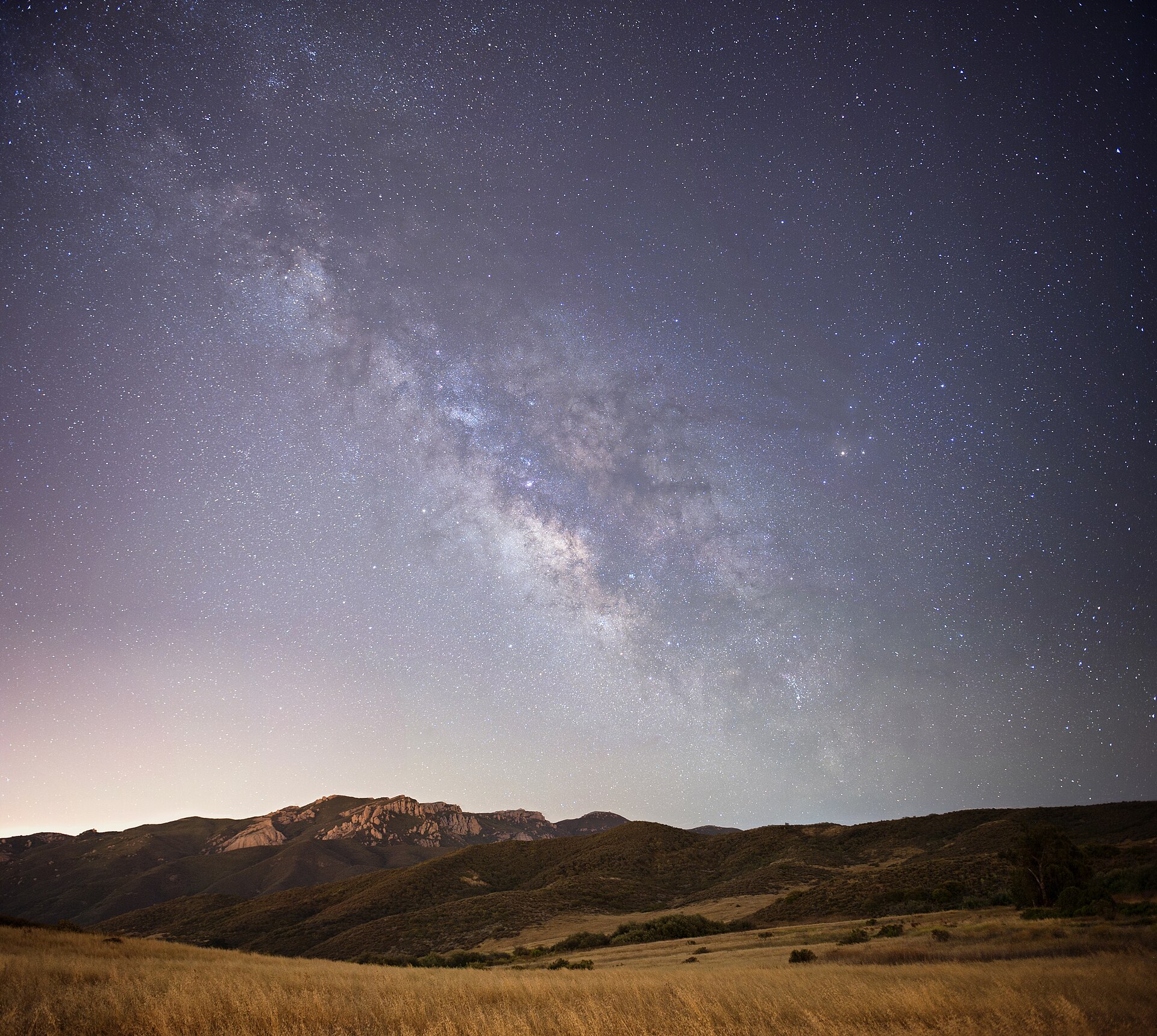
.jpg)
In 40 words. This week packs a Moon-Mars pairing at dawn on August 9, a total solar eclipse crossing Greenland, Iceland and Spain on August 12, and the year's best Perseid meteor shower peaking that same night under an almost moonless sky.
Most weeks in astronomy bring one event worth setting an alarm for. This one brings three, and they land back to back. Here is a day-by-day guide to what is happening overhead, when to look, and which of these you can actually see from where you live.
Sunday August 9, the Moon slides past Mars
Before dawn this morning, the waning crescent Moon passed within 4 degrees 24 arcminutes of Mars, both sitting in the constellation Taurus. The pair rose around 03:24 CEST, roughly four hours before sunrise, and climbed to about 32 degrees above the horizon by the time morning twilight began. The Moon shone at magnitude -10.8 and reddish Mars at a much fainter magnitude 1.3, an easy naked-eye sight and even easier with binoculars. If you missed this morning's closest approach, look again tomorrow before dawn, the Moon moves fast against the stars but Mars will still be an easy, if slightly more distant, neighbor low in the east.
Wednesday August 12, a total solar eclipse crosses the North Atlantic
The Moon's shadow sweeps across the planet on August 12, and this time the path of totality is a real one. According to NASA's eclipse guide, the total eclipse is visible from eastern Greenland, Iceland, the northern half of Spain and the northeast corner of Portugal, with totality lasting up to about two minutes near the center of the path. Far more people will see a partial eclipse rather than a total one. NASA lists partial coverage across parts of the northern United States, from Alaska to North Carolina, most of Canada, much of Europe and northwestern Africa, with the Sun's disc covered by 99 percent in Barcelona, 96 percent in Algiers, 91 percent in London and around 16 percent in Boston. Anyone outside the path of totality should never look at the Sun without certified eclipse glasses meeting the ISO 12312-2 standard, covered in more detail in our guide to safe eclipse viewing.
The sky never sleeps.
Eclipses, meteor showers, launches… Every Sunday I send you the week’s sky events you can’t miss. Free.
Wednesday night into Thursday, the Perseids peak almost moonless
Hours after the eclipse, the Perseid meteor shower reaches its yearly peak. The International Meteor Organization places peak night on August 12 into 13, with the Moon only about 1 percent illuminated, meaning essentially no moonlight to wash out faint meteors. NASA rates the Perseids at 50 to 100 meteors per hour under dark skies away from city lights, among the strongest showers of the year, and this year's new-moon timing makes 2026 an especially good one to watch. The shower is active from mid-July to late August, but this week is its sharpest night, best enjoyed lying back with the naked eye rather than through a telescope, ideally after midnight local time.
Venus keeps shining every evening this week
Away from the headline events, Venus stays brilliant at magnitude -4.4 low in the west after sunset all week, easily the brightest point of light in the evening sky and a reliable target even from a city balcony.
How to plan your week
If you can only pick one event, the Perseids ask for the least effort and the least travel, just a dark sky after midnight on August 12 or 13. The eclipse rewards planning and, for most of the world, a pair of eclipse glasses rather than a plane ticket. Readers in northern Spain sit inside the path of totality itself, and our complete guide to the eclipse in Spain covers timing city by city.
Frequently asked questions
What is the single best night this week for stargazing?
The night of August 12 into 13, when the Perseid meteor shower peaks under a nearly moonless sky, according to the International Meteor Organization.
Do I need special equipment to see the Moon-Mars conjunction or the Perseids?
No. Both are naked-eye events. Binoculars help resolve the Moon and Mars as separate points, and no equipment at all is needed for meteors, just a dark, open view of the sky.
Will I see a total solar eclipse if I am not in Greenland, Iceland or Spain?
Only a partial eclipse, and only with certified ISO 12312-2 eclipse glasses. NASA's map shows partial visibility across much of Europe, northwestern Africa, and parts of the northern United States and Canada.
Why is this year's Perseid peak considered especially good?
Because the Moon is only about 1 percent illuminated on peak night, according to the International Meteor Organization, leaving skies dark enough for faint meteors that a bright Moon would otherwise hide.
Sources
- NASA Science, total solar eclipse on August 12, 2026
- NASA Science, Perseid meteor shower facts
- International Meteor Organization, 2026 Perseids
- In-The-Sky.org, Moon-Mars conjunction, August 9, 2026
The sky never sleeps.
Eclipses, meteor showers, launches… Every Sunday I send you the week’s sky events you can’t miss. Free.